


Adjustable vs. Fixed-Height Basketball Hoops
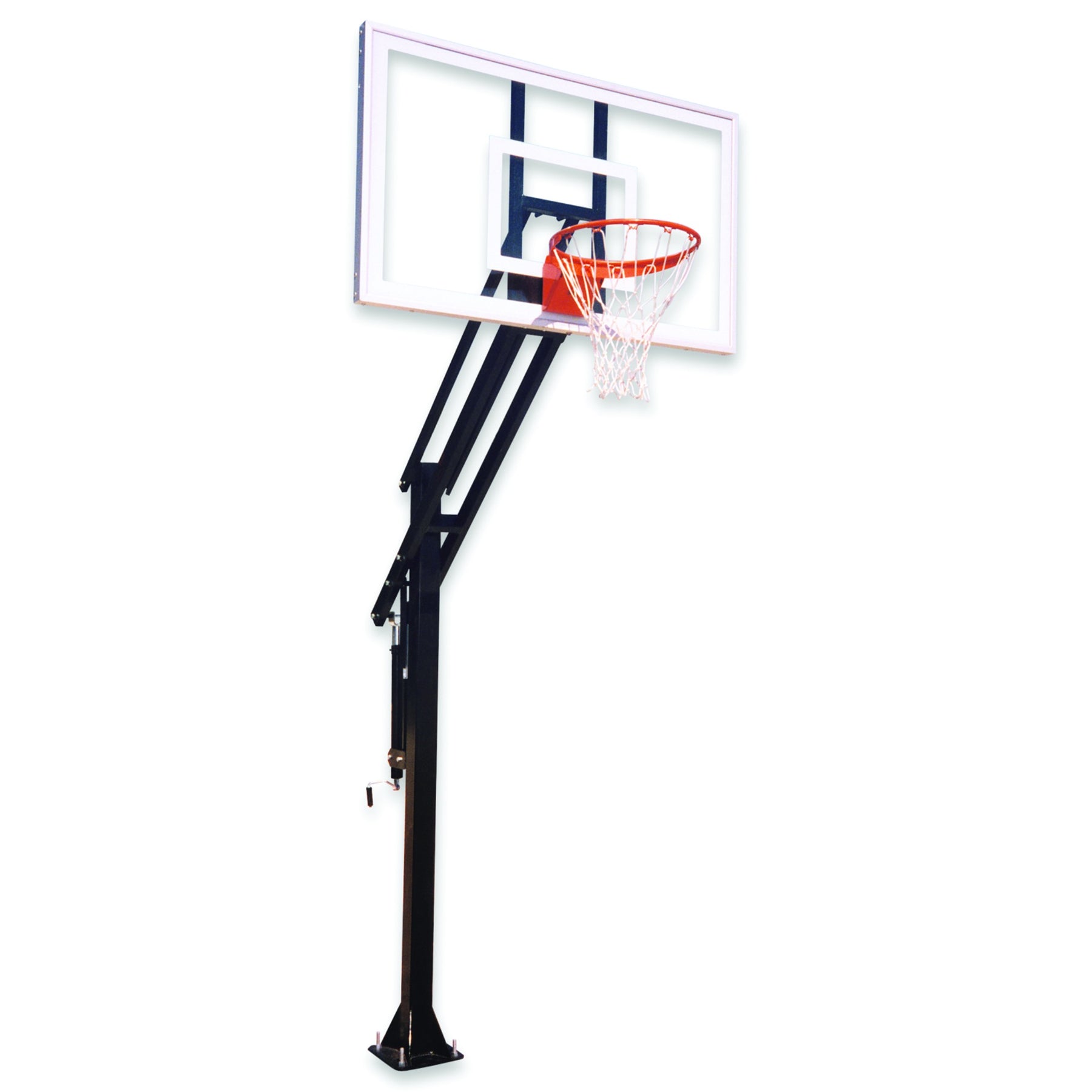
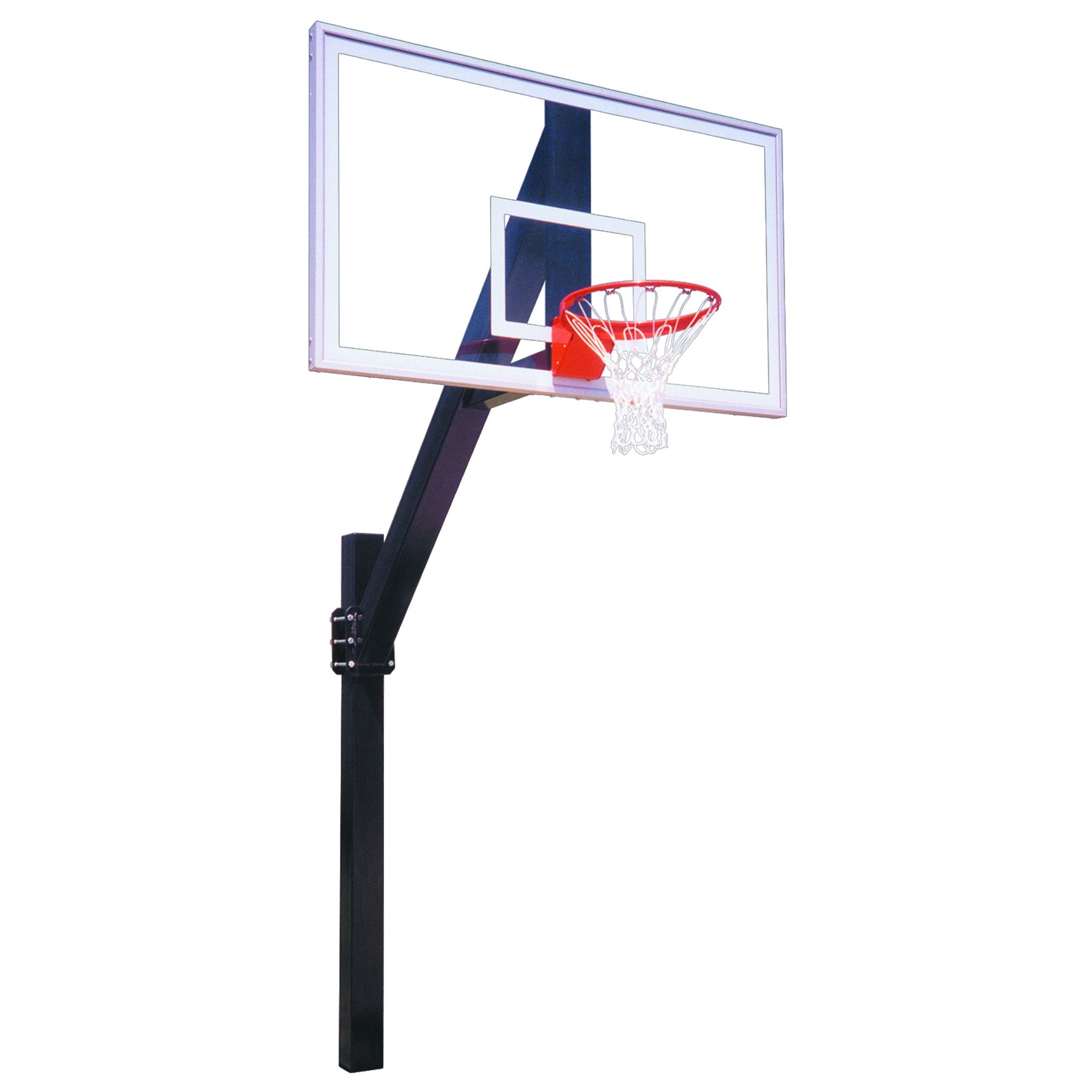
Choose an adjustable basketball hoop when growing kids need a lower basket. If the players will use the same rim height, start by comparing fixed-height systems. That is the first question we ask before getting into backboard sizes, materials or model packages: will anyone actually need to change the height?
At Quality Hoops, our starting recommendations are the First Team Attack for adjustable height and the First Team Legend series for fixed height. The right choice depends on who will play and how the court will be used.
The short answer: buy height adjustment for a real need
Our recommendation for an adjustable system is tied to growing kids. Lowering the basket gives younger children a different playing setup, and the goal can be raised as their needs change. That is a useful feature when it will be used regularly.
If everyone using the court already plays at the same height, compare fixed-height options and put the rest of the decision into the complete goal: backboard, rim, support, installation and available court space.
- Growing kids at home: start with adjustable systems and check the model's actual adjustment range.
- Schools and churches with younger children: consider adjustment when those children need a lower basket.
- Players who use one height: start with fixed-height systems.
- Unsupervised public courts: our preference is fixed height; evaluate the expected use and the complete package.
Browse adjustable basketball goals or fixed-height basketball goals once you know which need you are solving.
What is the difference between adjustable and fixed height?
Adjustable: designed for routine height changes
An adjustable system includes a mechanism for raising or lowering the basket. On the Attack, that is a hand crank. Check the usable height range, the adjustment method and the space the moving assembly needs. Review the instructions for the selected model rather than assuming every adjustable goal works the same way.
Fixed height: installed at the chosen playing height
A fixed-height goal does not offer the same routine crank adjustment. There is an important detail with Legend: First Team says its extension arm can be bolted at different positions along the post. That is an installation or maintenance adjustment, rather than a feature for changing height between groups of players. Any repositioning should follow the manufacturer's instructions.
Fixed height does not mean fixed rim. The height of the whole basket and the way the rim responds to play are separate choices. Our fixed versus breakaway rim guide explains that second decision.
For a family driveway, think about the children who will use it
If younger children will use the goal now and continue using it as they grow, adjustable height is the reason to start with Attack. Decide which heights you expect to use and who will operate the adjustment mechanism before choosing a package.
If the children are older and everyone expects to play at one height, we would compare fixed-height goals instead of choosing a crank system simply because adjustment is available. Buying for hypothetical use can distract from the details that matter every time someone steps onto the court.
Locate the backboard and playing area first, then check where the post and footing must go. Our basketball hoop overhang guide explains how to measure the reach from the support to the backboard.
For schools and churches, ask which groups need a lower basket
A facility serving younger children has a practical reason to consider adjustable goals. A facility used only by groups playing at one height has a different requirement. The building type alone does not decide the answer; the ages and activities do.
Before requesting a quote, list the groups using the court, whether they need different heights and how often the setup will change. If the court also hosts leagues or tournaments, include that in the request so the complete equipment package can be reviewed against the event's requirements.
Height adjustment is separate from moving a goal into storage or folding it away from a shared gym. Tell us about the available mounting structure and storage needs as well. Our indoor basketball goals collection gives you a starting point for comparing those installation types.
For an unsupervised park, we lean toward fixed height
The idea of lowering a public-court basket for small children sounds useful. Our concern is how the equipment will actually be treated when nobody is supervising it. That is why our recommendation for an unsupervised park generally starts with fixed height.
That recommendation does not make any system immune to damage. Expected play, exposure and the selected backboard and rim still matter. See our park basketball goal buying guide for the broader decision.
Two starting recommendations: Attack and Legend
First Team Attack: our adjustable starting point
The Attack uses First Team's EZ-Crank mechanism with a listed rim-height range of 5 feet 6 inches to 10 feet. Its listed post-to-backboard extension is 36 inches with the rim at 10 feet; do not assume that dimension describes every lowered position.
Start here when growing kids are the reason you need height adjustment. Then choose the backboard and rim package for your court. Compare Attack packages and specifications.
First Team Legend: our fixed-height starting point
The Legend has a listed 66-inch post-to-backboard distance and a 6-inch-square steel post. Its bolted arm arrangement differs from Attack's crank adjustment. First Team offers direct-burial and BP bolt-down configurations, so confirm the installation type before ordering.
Start here when the basket will stay at the chosen height. Compare the complete packages: Legend and Attack also have different supports, reach and backboard options. Compare Legend packages and specifications.
Check these details before ordering either type
- Who will play? Identify a real need for a lower rim before choosing adjustment.
- Which complete package fits? Confirm backboard dimensions, material and rim rather than ordering by series name alone. Our 54-, 60- and 72-inch backboard guide can help with size.
- Where will the support go? Check reach, playing space and clearance through any intended adjustment range.
- What installation is required? Review the exact model's footing and anchoring instructions. A bolt-down option is not a promise that an existing slab is suitable.
- What kind of play is planned? Tell us about recreational use, organized games and public access so we can review the equipment accordingly.
Need help choosing?
Tell us the players' ages, whether anyone needs a lower basket, where the goal will be installed and the space available. We can help you compare Attack, Legend and the appropriate package before you order.
Contact Quality Hoops for help choosing a system, or browse our in-ground basketball goals.
Product specifications checked October 15, 2026 against First Team's Attack specifications and Legend specifications. Review the documents for the package you select.


Leave a comment